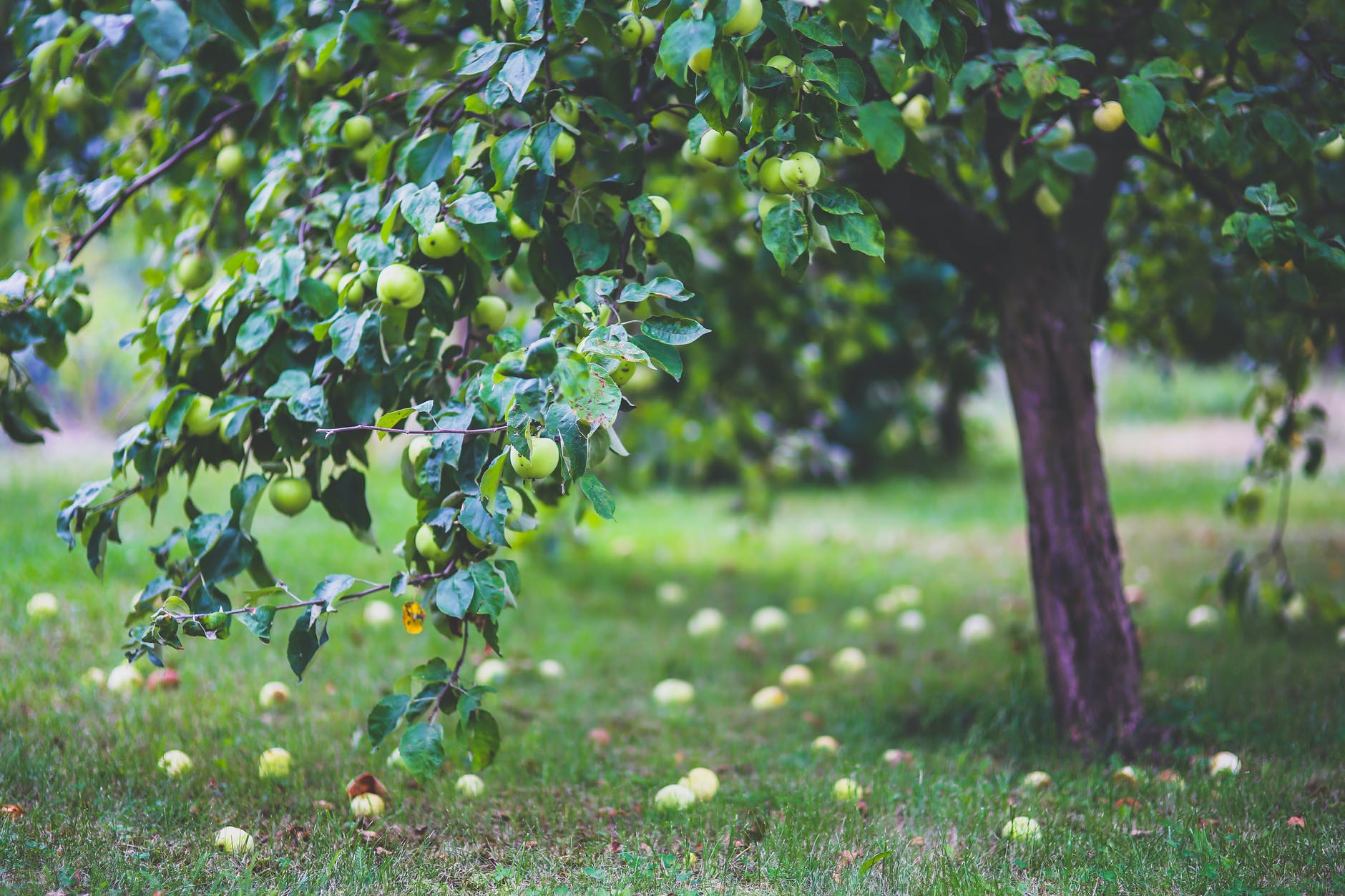
“He puts his arms around his shoulders and walks him out. The apple tree in the back yards looks down at them, stoic and expressionless, like a mute spectator who has a million words to say, yet would prefer to remain silent, always.”
During this period, when you are flooded with books, having themes of love stories, romance, mythological fantasies, and feminism in the literary arena of India, a book like this one can provide you with some freshness and peculiar experience of a new sort.
I am happy that I read this book; the title and its blurb both had attracted me. This book is inspired by true events, as it claims in the very beginning, and brings to the reader, the story of three childhood friends, who grow up in the peaceful ambiance of Srinagar, Kashmir, but their life does not remain the same after 1990.
We know that in India, the turmoil of Kashmir and its people does not remain confined to the valley; it echoes, resounds, and reflects within the large geographical region of India. Recently, in the past year, we have seen many national debates and student conflicts within the campuses of leading universities in India over the issue of ‘freedom’ or rather more of its interpretation, that was derived from the Kashmir turmoil and it expanded itself into the socio-political and cultural discourse within the whole part of India. This book covers the very same theme with a gripping real looking story and with the extremely beautiful writing style of the author. The author has beautifully portrayed the Kashmiri culture and the association and belongingness of its people with it.
I found some noticeable points in this book.
First, a very nice portrayal of Kashmiri culture, its beauty and its local elements, the sentiments of childhood, families, and their mutual belongings to the same traditions despite different religious interests.
Second, the sensitive issues of Kashmiri pundits, Muslims, the army, and terrorism, all have been written and depicted by the author in a very balanced way. Any kind of writer bias towards such issues was absent, and that made this story more authentic.
Third, writing is very alluring and it grips you from the very beginning, its visual imagery can be enjoyed while reading. Conversation and dialogues are very good and are in complete sync with the narration of the book. The tendency of taking the path of violence, among the youth in the valley, is depicted well. When a 70- year-old gardener looks at the two 18- year- old boys engaged in a battle of blood he thinks …
“His grandson is 18 years old. He studies in his village. He plays cricket on the street whenever he can, sings a lullaby to his 5 years old sister during the night. Why don’t these boys play cricket? Can their lips ever sing a song? They can stab a dagger in each other’s hearts, but can they ever hold a delicate petal of tulip or mustard flowers and caress them with their hands? One of the 18- years- old is going to die today. Right there, in front of his eyes. His grandson is 18 years old.”
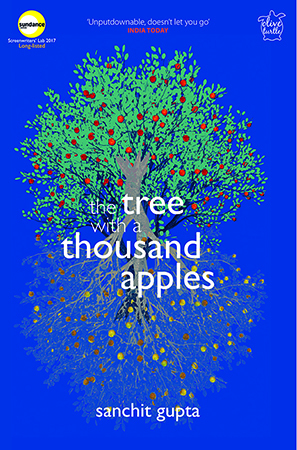
The Tree with a Thousand Apples
The beauty and innocence of Kashmiri’s childhood and then its translation into Kashmiri youth, full of tyranny, pain, and dilemma is shown convincingly by the author. I found revenge, redemption, and atonement as the main themes around which the psyche of the characters is woven by the author.
I will recommend this book to all who are living in India, to get a closer view of the pain, plight, and predicament of Kashmiri people
 BOOKBROODER