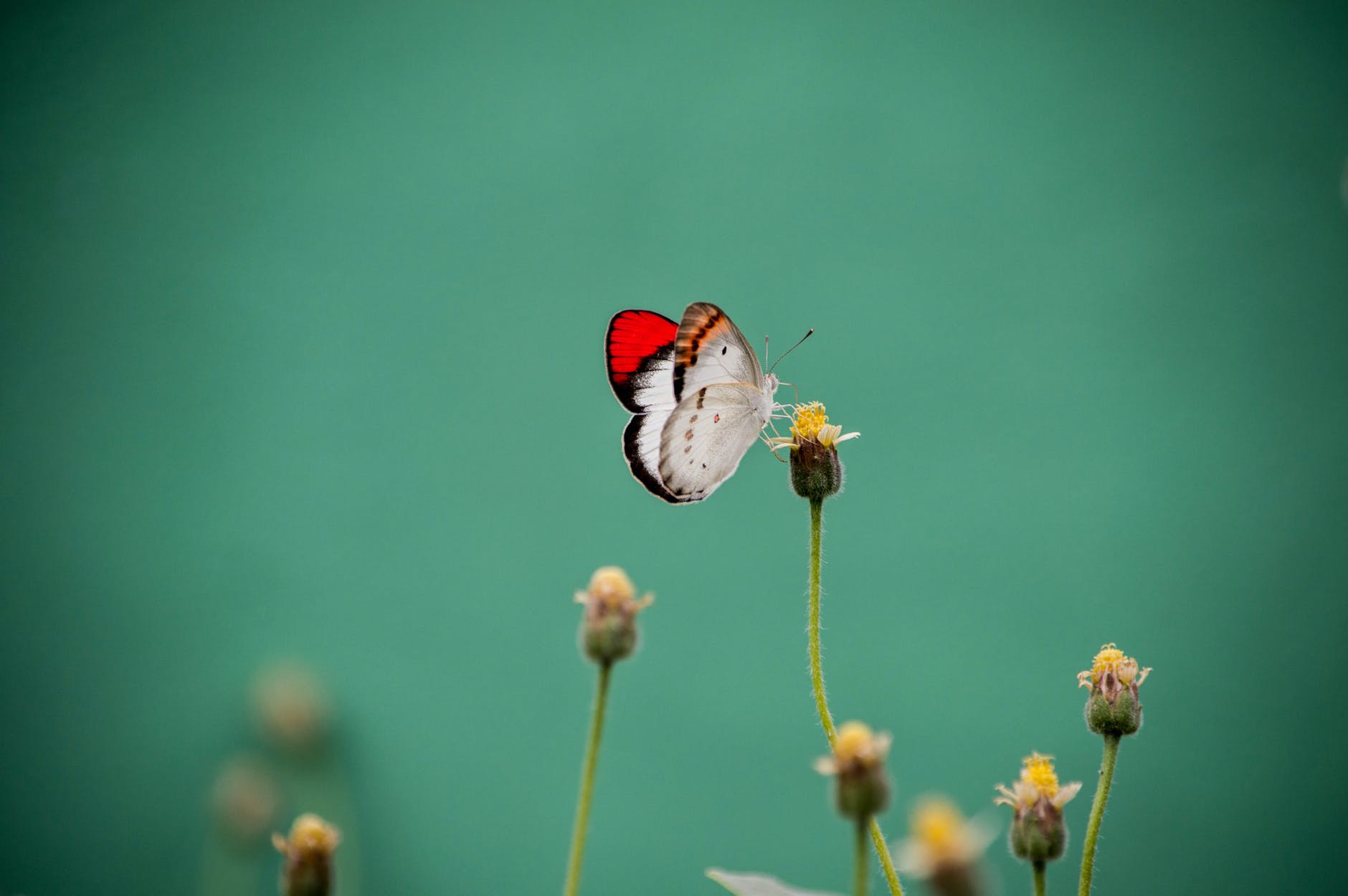
They take nectar from flowers. Dissolved minerals in wet sand are also their nourishment. Pollen produced by seed plants is their diet. They eat so many things. And after their breakfast like queens of their kingdoms, they fly from one flower to another. They fly high. But their high is different from the high of humans. After they get tired of flying high, they come down and keep their eyes on tree saps and rotten fruits too, these kinds of stuff are their lunch.
The wonderful images of butterflies are carved out in the ancient city of Teotihuacan. Aztec civilizations and Maya civilizations are other ancient cultures where the images of butterflies have been found. These ancient people might have been so fond of this little creature. If they had their languages, they might have written some poetry on their wings, if they had only symbols, they might have made the mark of butterflies on those symbols. The human eyes since the ancient age have been attracted to this beautiful insect The way they fly and flutter in the air, their conspicuous flight near the ground has been a source of fun and recreation for the small children. Kids run after them as if they are their toys, fluttering toys.
In literature, Rudyard Kipling in his 1902 Published Just So Stories has dedicated some stories to the butterflies. In India, an ethnic group in the north-eastern region, Naga claims that butterflies were their ancestors! Eric Carle’s the very hungry caterpillar is a pure dedication to the butterflies. How is it possible that the artists and poets and storytellers would not be motivated by this most colorful and innocent insect on the earth? John Keats, in his poems and love letters to Fanny Brawne, wrote that I almost wish we were butterflies and liv’d but three summer days, three such days with you I could fill with more delight than fifty common years.
Lepidoptery is the branch of science, dedicated to the study of butterflies and moths. Nabokov, who is famous for his novel Lolita, is also famous for his butterfly trips in North America. Remington, a professor of evolutionary genetics at Yale University was a close friend of Nabokov. He said that Nabokov was an excellent butterfly researcher. Considering his writings and skill on butterflies, he referred to him as a lepidopterist in a proper perspective.
Do you know, butterfly wings are transparent. Did you know that? Then what are those colors on their wings? In fact, those colors are just reflections of light from thousands of miniature scales! Butterflies only live for a few weeks, but you might have got the eternal feel of its short-lived existence in the love letters of Keats above. Let’s finish by talking about butterflies today with a poem published by Wordsworth in 1807.
I’VE watched you now a full half-hour;
Self-poised upon that yellow flower
And, little Butterfly! indeed
I know not if you sleep or feed.
How motionless!–not frozen seas
More motionless! and then
What joy awaits you, when the breeze
Hath found you out among the trees,
And calls you forth again!This plot of orchard-ground is ours;
My trees they are, my Sister’s flowers;
Here rest your wings when they are weary;
Here lodge as in a sanctuary!
Come often to us, fear no wrong;
Sit near us on the bough!
We’ll talk of sunshine and of song,
And summer days, when we were young;
Sweet childish days, that were as long
As twenty days are now.STAY near me–do not take thy flight!
A little longer stay in sight!
Much converse do I find in thee,
Historian of my infancy!
Float near me; do not yet depart!
Dead times revive in thee:
Thou bring’st, gay creature as thou art!
A solemn image to my heart,
My father’s family!Oh! pleasant, pleasant were the days,
WILLIAM WORDSWORTH
The time, when, in our childish plays,
My sister Emmeline and I
Together chased the butterfly!
A very hunter did I rush
Upon the prey:–with leaps and springs
I followed on from brake to bush;
But she, God love her, feared to brush
The dust from off its wings.
 BOOKBROODER