‘You would be my chattel, my mere property’
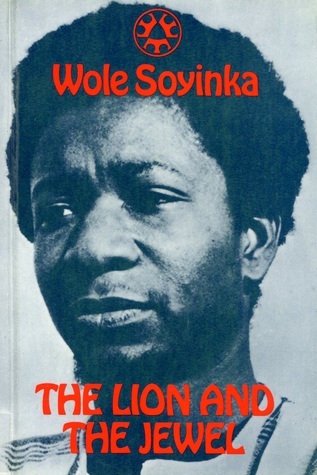
Knowing nothing about the author and his work, a note somewhere about the “Yoruba Culture” hurled me unconsciously toward Wole Soyinka, and eventually, I was reading a book on Soyinka in a bookshop. The first page of the book described his work as, ‘His imagery ranges from tropical yam roots to the falling acorns of Tegel. But he starts as a Yoruba.’ . The image, this sentence made in my mind was of a writer, whose craft would be a miscellany of natural stuff and tough personal experiences. I wished to feel the aforementioned culture through his writing. And to see if my imagination was correct or not, I finally picked up this play by the author. I read it in the night and it turned out to be a precursor for my good night’s sleep.
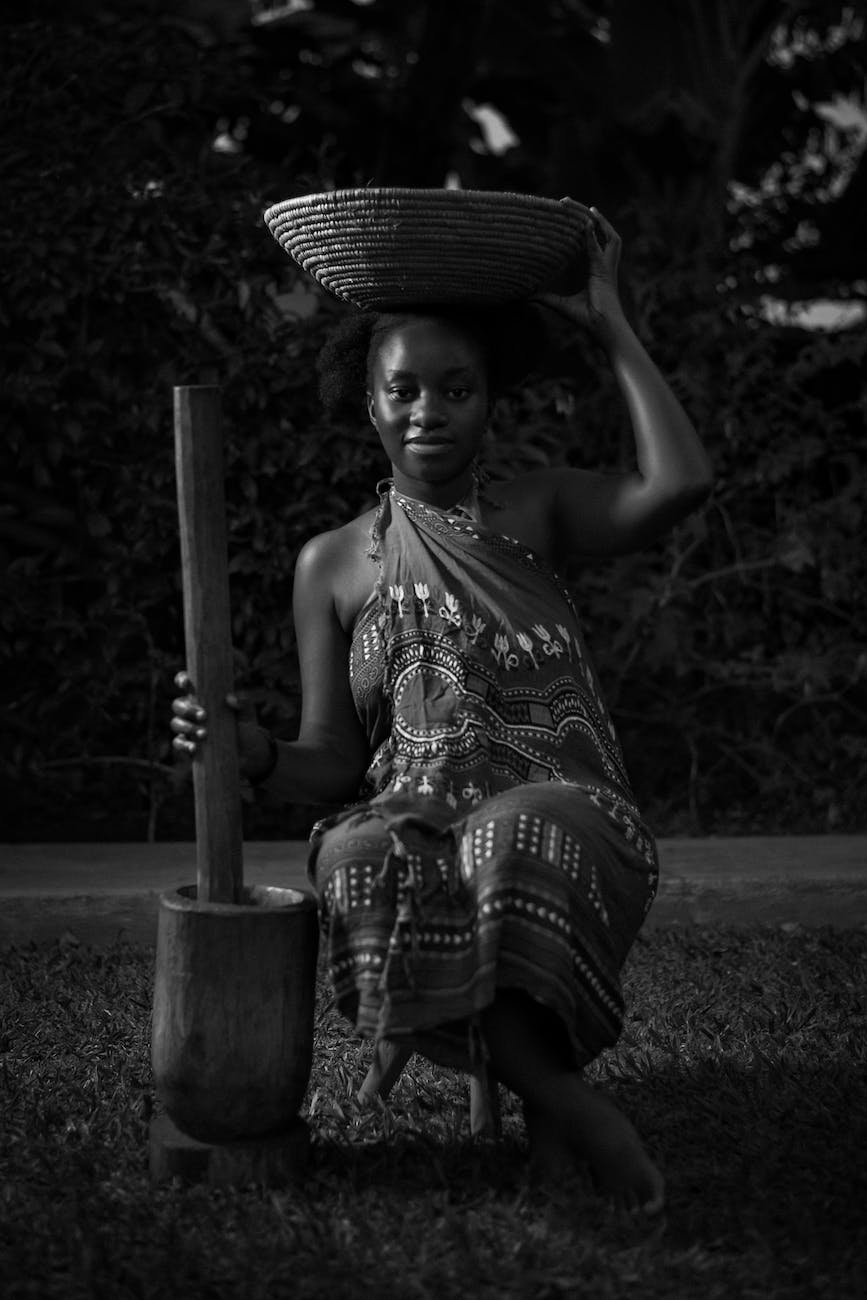
This is one of the early plays by Soyinka. The setting of the play is an African village. An immense ‘odan’ tree is in the center of the village, nearby a bush school. Sidi, a slim girl, a true village belle, enters carrying a small pail of water on her head. A school teacher Lakunle, 23, comes near her and asks her to give the pail to him, she refuses, and he seizes and some water spills…
“Lakunle:
No. I have told you not to carry loads
on your head but you are as stubborn
as an illiterate goat. It is bad for your spine.
and it shortens your neck so that very soon
you will have no neck at all. Do you wish to look
squashed like my pupil’s drawings?Sidi:
Why should that worry me? Haven’t you sworn
That my looks do not affect your love?
Yesterday, dragging your knees in the dust,
you said Sidi, if you were crooked or fat
And your skin was scaley like a……. “
This was the beginning and you can see that there is an ingrained charm in this setting. I was immediately captured. As I moved on, I saw the sorcery of written words, with dance and mime and singing all blended together. In fact, I was humming some parts of the play, sometimes in between while reading!
In an attempt to save a poor ” bush girl” to make her civilize by marrying her,
‘Together we’ll sit at table- Not on floor and eat. Not with fingers, but with knives and forks, and breakable plates – Like civilized beings’
the young man tries his best.
Lakunle represents the Western-influenced mindset and Sidi is proud of her heritage. The other character is Baroka, the chief of the village, who represents power and manipulation in the plot. I loved this play. The author has shown the cultural conflict and aspirational dynamics of young people in a fictional Nigerian village. The beauty of this book is its lyrical continuance.
This play shows the fight between ‘mind and heart’ and also a fight between ‘reality and rhetoric’!
19th Century 20th Century Adventure Africa American Asia Booker British Literature Children Classic contemporary Crime Detective Drama Essays fantasy French Literature German Literature Gothic Historical Fiction Horror Humor India Indian Literature magical realism Memoir Music Mystery Nature Netgalley Nobel Prize Non Fiction Novel Novella Philosophy Play Poetry Race Romance Russia Russian Literature School Short Stories War Women
 BOOKBROODER