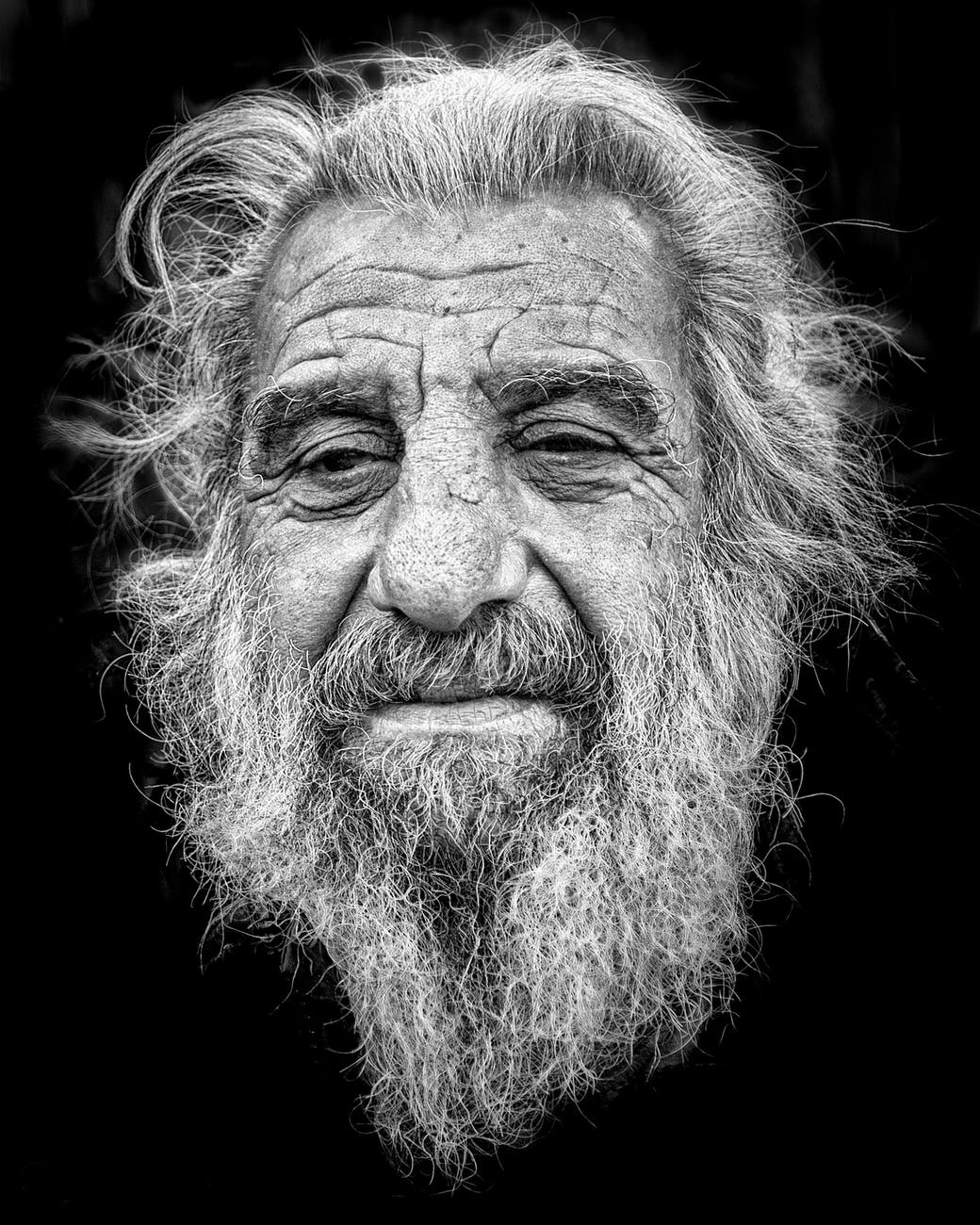
The study of aging and old age has become a new specialization in the academic curriculum. It is being taught in universities and colleges. You might have come across the word ‘social gerontology’. Gerontology is the study of biological, social, or psychological features of aging. Some studies say that the old people are more rigid, as old people accumulate experience in a certain role and they usually do not wish to deviate from it. The elderly have been reported to be more introverted and more concerned with physiological functioning than the young.
However, life is cyclic in nature and it does not give a damn to what we think of it. It keeps going on, in its own way, and brings back, the man in old age back to the point in a circle, where the man meets the child within him again. The body decays but the mind grows. As C. S. Lewis said that someday you will be old enough to start reading fairy tales again. Books and literature can be the most adored activity in old age. The Canadian novelist Robertson Davies advises the book readers that a truly great book should be read in youth, again in maturity, and once more in old age, as a fine building should be seen by morning light, at noon, and by moonlight.
Aldous Huxley gives the secret of genius, and that is to carry the spirit of the child into old age, which means never losing your enthusiasm. Enthusiasm is the key. Robert Browning even invites to go with him on this journey. He says, ‘grow old along with me! The best is yet to be, the last of life, for which the first was made. Our times are in his hand who saith, ‘A whole I planned, youth shows but half.’ T.S. Eliot sings in one of the love songs “I grow old … I grow old … I shall wear the bottoms of my trousers rolled.”
How fun is life with these books, with these stories with these songs, Isn’t it? Let’s enjoy our old age with these famous W. B. Yeats lines too.
“When you are old and grey and full of sleep,
And nodding by the fire, take down this book,
And slowly read, and dream of the soft look
Your eyes had once, and of their shadows deep;
How many loved your moments of glad grace,
And loved your beauty with love false or true,
But one man loved the pilgrim soul in you,
And loved the sorrows of your changing face;
And bending down beside the glowing bars,
Murmur, a little sadly, how Love fled
And paced upon the mountains overhead
And hid his face amid a crowd of stars.”
― W.B. Yeats
19th Century 20th Century Adventure Africa American Asia Booker British Literature Children Classic contemporary Crime Detective Drama Essays fantasy French Literature German Literature Gothic Historical Fiction Horror Humor India Indian Literature magical realism Memoir Music Mystery Nature Netgalley Nobel Prize Non Fiction Novel Novella Philosophy Play Poetry Race Romance Russia Russian Literature School Short Stories War Women

 BOOKBROODER