Speaking for myself : An anthology of Asian Women’s writing

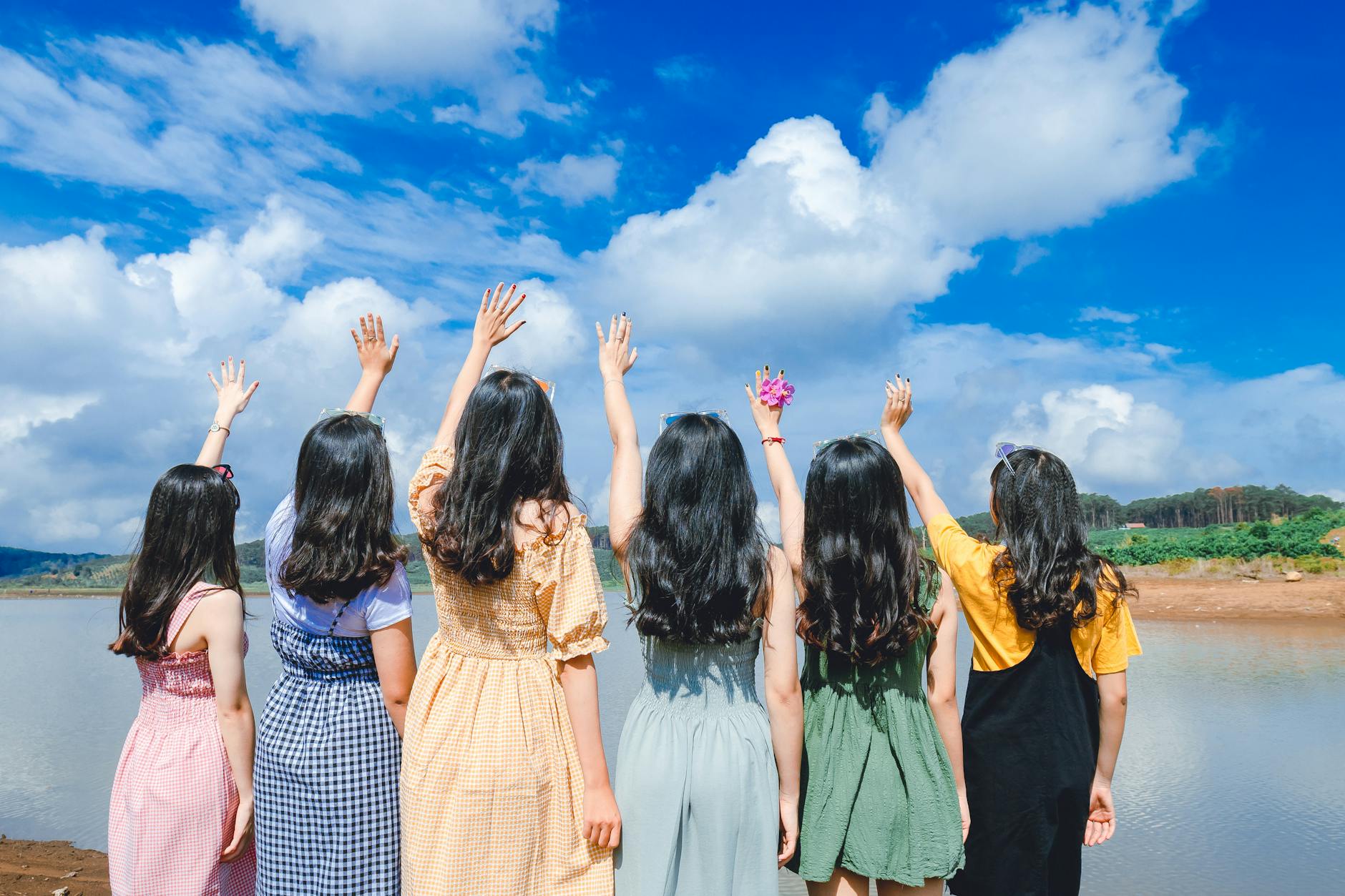
Photo by THIS IS ZUN on Pexels.com

The geographical span of Asia is vast. Like we coined the term ‘Western civilization’, can we culturally connect all the separate nation states with distinct political boundaries and separate cultures in Asia and call them “Asian civilization”? This is debatable. But this book makes an effort in such a direction. Ranging from Uzbekistan to India to Japan and China to Sri Lanka and Cambodia, this anthology has covered women’s writing from more than 35 Asian countries. You will find an English translation of some amazing short stories and poems in this book. I read most of the writings in this book and found them really enlightening, eclectic, sprawling, and contemplative. They have been picked up nicely.
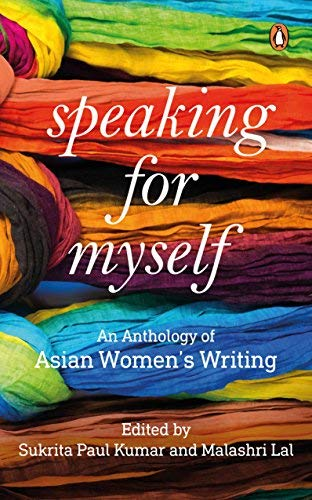
In the story ‘Dance of the Bee’ by Malaysian writer ‘Noraini MD Yusuf’, a beautiful poetic tale of the emotions of the Malay parents who craved an English education for their children has been portrayed. ‘An Umbrella’, a story by Ma Sandar , a writer from Myanmar, writes, ‘A woman who has no husband to lean on is like a person walking in the rain without an umbrella.’

We all know that the translation of most Asian languages into English is not adequate from a western perspective. How will you know what Asian women think and write? I knew some of the names from the Indian subcontinent, but most of the authors in this collection were new to me, and I highly recommend this book to those who are interested in some beautifully translated works by women authors from Asian countries; they deserve their due.


Do you assume these writers are a bit conservative in their approach? No, you are wrong; this collection will change your thinking. There are some bold stories. There are some extremely powerful poems and some highly evocative personal accounts in fiction. I loved this book and will congratulate all the editors, compilers, and translators of the book for making a wonderful compilation for book lovers.

I will name some of the writers included in this collection whose work I loved

Lisa Suhair Majaj from Palestine
Maria Arbatova from Russia
Zohra Saed from Afganistan
Maya Thakuri from Nepal
Mahasweta Devi and Ajeet Cour from India
Mey Son Sotheary from Combodia
Gryang from Tibet

I will recommend this book, especially to my western friends, who know little about these women writers, and I bet. If you have that stereotypical image of an Asian woman as passive, conventional, or hidebound, this collection will force you to change your standpoint.
I reiterate.

19th Century 20th Century Adventure Africa American Asia Booker British Literature Children Classic contemporary Crime Detective Drama Essays fantasy French Literature German Literature Gothic Historical Fiction Horror Humor India Indian Literature magical realism Memoir Music Mystery Nature Netgalley Nobel Prize Non Fiction Novel Novella Philosophy Play Poetry Race Romance Russia Russian Literature School Short Stories War Women
What is your argument for this controversial book?

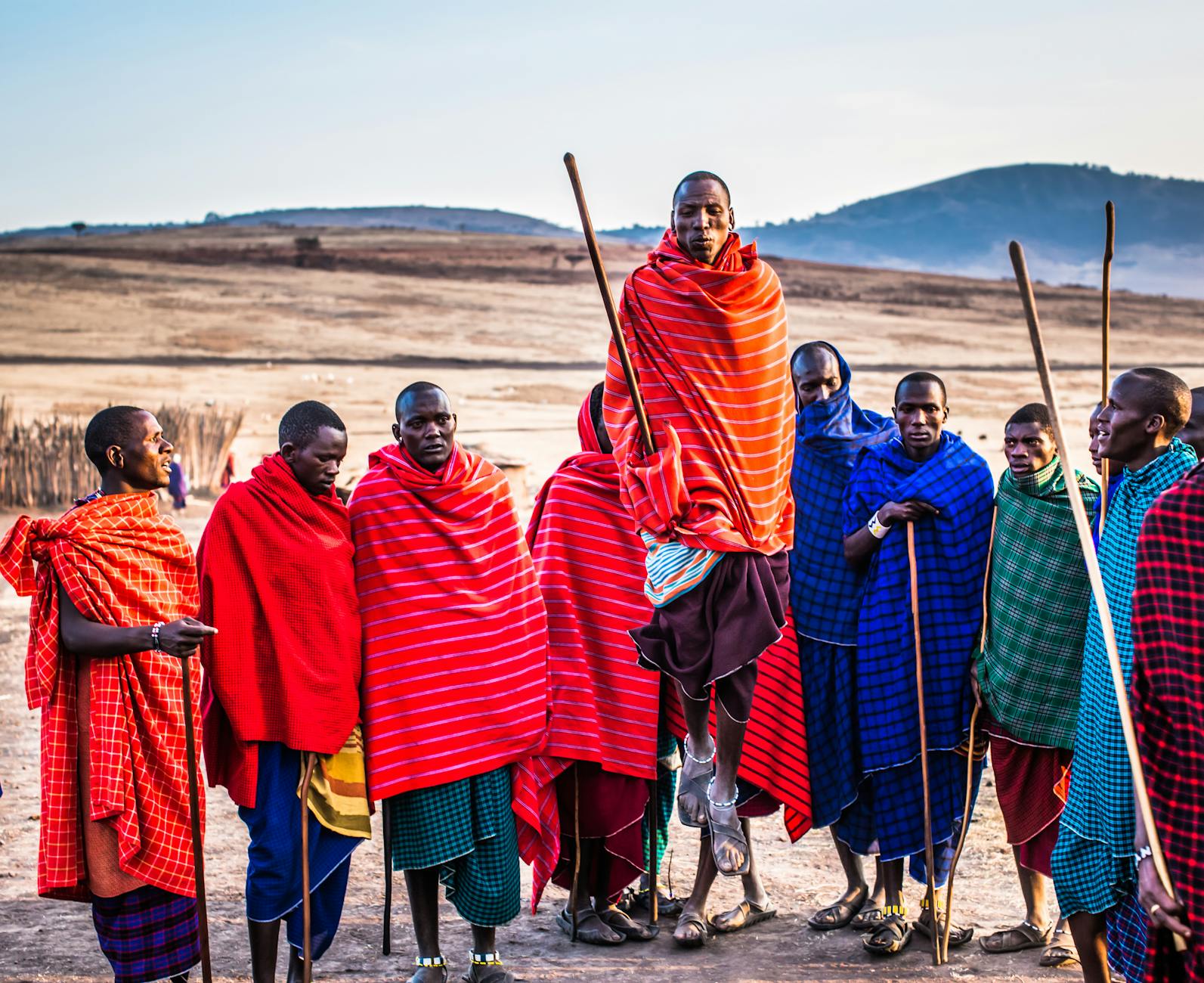
Photo by Follow Alice on Pexels.com

.

“A rebel? a cynic? a scoundrel? the living myth of personified rage, at the mercy of his neurotic legend? a sorcerer gone wrong? No. Not exclusively. Still another epithet was found for him: a retired criminal.”

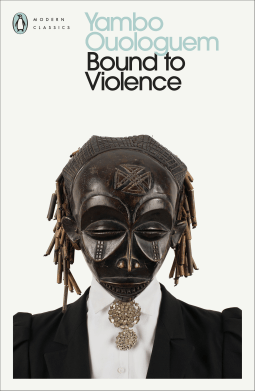
Bound to violence

I read Penguin Classic’s new launch edition of this book this month. This prose is outlandish. It created freakish weather first and then pelted down on my nascent barn, like a devastating unseasonal hailstorm! Have you heard about the book and the controversy around it? I hadn’t. When I requested the book, I had no knowledge of the author or the book. Three things attracted me: first, Penguin’s logo; second, a theme on Africa, and third, the mention of John Updike in the blurb.

A startling energy of language’ John Updike, New Yorker,

How right is the assessment of Updike! After reading the book, I would say that, as of late, I have not witnessed such language in prose. Extremely powerful, too ocular for the mental eyes, brusque, and blunt, yet poetic and lyrical. Unapologetic. As straight as a die. Perhaps this was the reason the author paid a price for it through criticism. Or maybe not.

The book portrays the mass of Africa, victimized not by the coloniser from outside but by the ‘traditional colonizers’, and for this reason, it is stated that the author was labelled as a self-hating black man by the political leaders and intellectual elite there. This book was published in 1968 in French, and at that time, African authors were known to write in ‘predictable polite and classic French’. The book says: The author challenged the status quo with his radical portrayal and language at that time.

I don’t know if the author was successful or not, but when you read this book more than 50 years later, you still cannot ignore the might of language and its instantaneous ramifications. The forcefulness it generates in the reader’s mind is obvious and imposing in nature. In my opinion, this book is a piece of art. An act of sorcery performed by the author on paper. I have no doubt about this. I was utterly impressed by the writing. But this praise belongs to the craft and genius with which this book is written, not to the content of the book. The content in many places is too brutal, inhumane, remorseless, and sharp to digest without getting bruised for a faint-hearted reader. I also don’t know how authentic it is with respect to the history of various tribes and kingdom’s in Africa. The book tries to capture a very wide period of history within its few pages, and he did it in an august manner. I learned that ‘Malian writer rose to worldwide fame in 1968 with his Renaudot Prize, France’s second most prestigious literary honor; he was knocked to the ground and vilified by accusations of plagiarism and a subsequent lawsuit from the English writer Graham Greene.’

I can recommend this book to all those who want to see the craft of the author, but the content of the book is not for all. I thank Netgalley and Penguin Press for providing me with a copy.

19th Century 20th Century Adventure Africa American Asia Booker British Literature Children Classic contemporary Crime Detective Drama Essays fantasy French Literature German Literature Gothic Historical Fiction Horror Humor India Indian Literature magical realism Memoir Music Mystery Nature Netgalley Nobel Prize Non Fiction Novel Novella Philosophy Play Poetry Race Romance Russia Russian Literature School Short Stories War Women