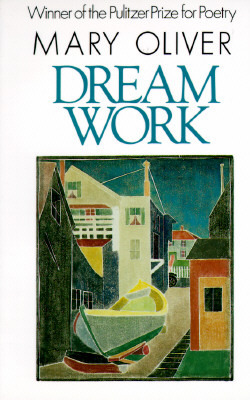
“Don’t bother me
I have just
been born.”
MARY OLIVER
Mary Oliver is the winner of the Pulitzer Prize for poetry. And Yes. She talks about nature. There is not much of the dubiety on my mind after having read her first book of poems in my life. I read two major award-winning woman poets for the first time this year; Louise Glück and Mary Oliver.
I can say that Mary observes in and around. She observes with clarity. She observes both piffling and salient. She is romantic and she is harsh as well. I will not use the word “recherché” for her poetic craft as it seems to me she is very explicit in her approach at least in this book. I loved all the poems in this collection. And along with Glück, this poetess gave me the dose of my poetic repose of this year. I am keen to jump over to her other books, especially the Pulitzer -prize-winning work “American Primitive”, and I will definitely be receiving that book with high expectations.
In the eyes of Maxine Kumin Oliver was “a patroller of wetlands in the same way that Thoreau was an inspector of snowstorms.” When I read this comparison, my expression went from an intent observer to a cheerful grinner (no idea if this word even exists, but I grinned) in the blink of an eye. I recalled my failed attempt to read Walden, four years back but I remember reading somewhere then, about this association of Henry David Thoreau with snowstorms. Thoreau even wanted the officials to pay him for his job of observing and writing about snowstorms, jokingly.
At the beginning of her poetic craft in this book, she declares from the vantage point of her craft. See the attitude…
“You don’t want to hear the story
of my life, and anyway
I don’t want to tell it, I want to listen
to the enormous waterfalls of the Sun”
In the ‘morning poem,’ she says,
“each pond with its blazing lilies
is a prayer heard and answered
lavishly,
every morning,whether or not
you have ever dared to be happy,
whether or not
you have ever dared to pray.”
In one poem she beautifully expressed the growth of trillium; how the Hillside grew white with the wild Trillium. She speaks about how the marsh hawks which are long-tailed and have yard-wide wings glide just above the Rough plush of Marshlands. And once she heard a scream,
“Something screamed
from the fringes of the swamp
It was Banyan,
the old merchant.
It was the hundred-legged
Tree, walking again”
In a poem, she writes, ‘bows to the lightening of her eyes, the pick of her beak the swale of her appetite. And at a place, she said that the sea is not a place but a fact and a mystery! She beautifully portrays the pink moccasins flower, rising in mid-May in the forest.
I found her imagery of nature very poignant and sharp. Her love and close liaison with nature were very much visible in this book, I glided over this prepossessing and panoramic depiction of nature through her verses.
I loved the book and I will finish my thought on the book with these lines,
“For years and years I struggled
just to love my life and then
the butterfly
rose, weightless, in the wind.
“don’t love your life too much”
it’s said,
and vanished into the world.”
MARY OLIVER
19th Century 20th Century Adventure Africa American Asia Booker British Literature Children Classic contemporary Crime Detective Drama Essays fantasy French Literature German Literature Gothic Historical Fiction Horror Humor India Indian Literature magical realism Memoir Music Mystery Nature Netgalley Nobel Prize Non Fiction Novel Novella Philosophy Play Poetry Race Romance Russia Russian Literature School Short Stories War Women
 BOOKBROODER